In such a complex subject, where it seems everything has been said and there’s no way to progress, new and vast knowledge has the ability to expand the boundaries of thought, dispel old paradigms and generate hope. Since its foundation, TEMA gathered and learned from various studies:
The Research
The research is an international, interdisciplinary, first-of-its-kind project that examines bloody conflicts that have successfully ended many long years of violence and suffering, creating transformative processes that led to a better, violence-free reality.
The research aimed to identify the components that led to the success of these processes, in order to enable people living in different conflict zones around the world to learn from this and select the relevant elements for their specific local conflicts.
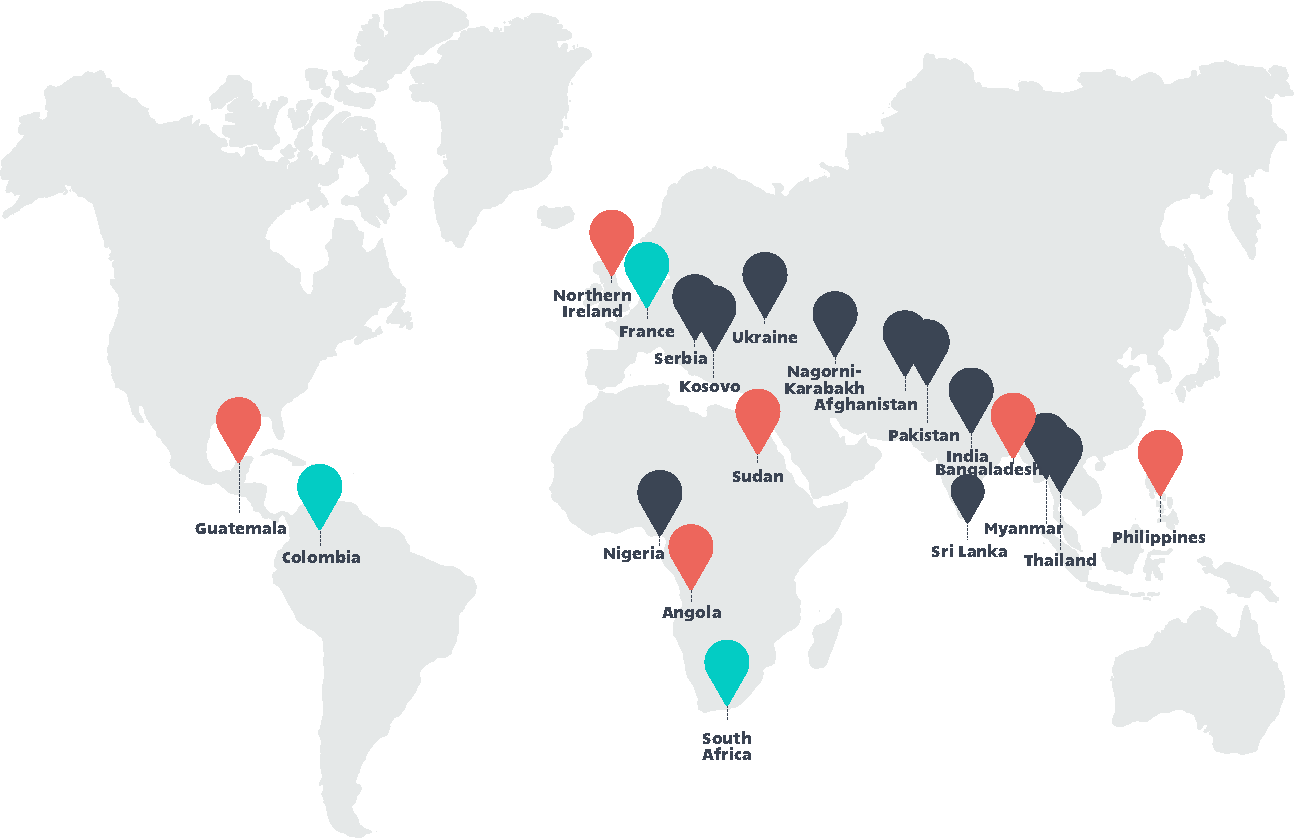
Examined Cases:
Main characteristics of the IL-PAL case, which determined the core case studies of the project:
1
Protracted
2
Asymmetric power relations
3
Ethnonational components
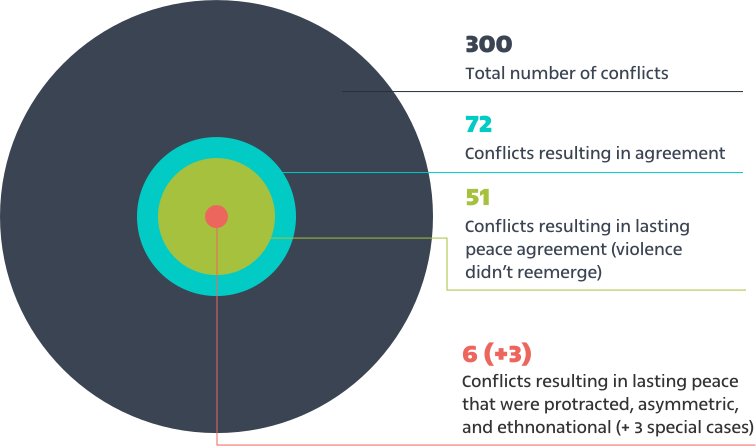
This project defines “resolved” as cases that were resolved with a comprehensive and lasting peace agreement and have not had violence resurface. The research team began by mapping all conflicts over the past 70 years and then narrowed them down according to defined criteria. Under this analysis, the research teams examined six case studies (and an additional three special cases).
The ‘Negotiation and Conflict Resolution Collaboratory’ of the Center for Public Leadership at Harvard Kennedy School is leading the Why it Worked project, in collaboration with 5 additional research centers – each examining the case studies from different perspectives. Each perspective constitutes a central and important element in negotiation processes, as identified by the preliminary research team prior to embarking on the project. Therefore, when taken together, they create a comprehensive and complete picture of the key aspects in conflict peace-building processes.
Uppsala University – Process and Negotiation
University of Ottawa – Process and Negotiation, Track 2
George Mason University – Religion and Identity
Harvard University – Leadership and Power
University of Delaware – Land and Resources
In addition, the Uppsala University’s team, is leading a complementary project that includes data analysis of all the 300 conflicts identified in the initial stage of the research. This analysis will complement and strengthen the in-depth study of the main research project with a broader picture of all conflicts over the past 70 years and their current status.
The Conference - Presentation of Research Findings
As part of the initiative’s activities, we are exposing the Israeli public to new and groundbreaking knowledge as a source of learning and inspiration. After two years of work and the completion of the research, the researchers who led the project are coming for a short visit to Israel to share their findings just before publishing their groundbreaking model in their first academic publication.
The purpose of the conference is to facilitate a discussion that will assist in thinking about and analyzing the crucial question: what can other cases teach us about our local conflict, the possible courses of action available to us, and how to understand the differences between other places and the unique and difficult conflict in our region. The event will bring together leaders from all groups and sectors in Israel for a joint reflection on what has worked elsewhere, the similarities and differences, and most importantly, what can help Israeli society in rethinking the local conflict.